The New Editable Memory with AI Photo Tools
How iOS 27's AI photo tools may change the way we trust old pictures, family memory, and the parts of an image we would never have added on purpose.
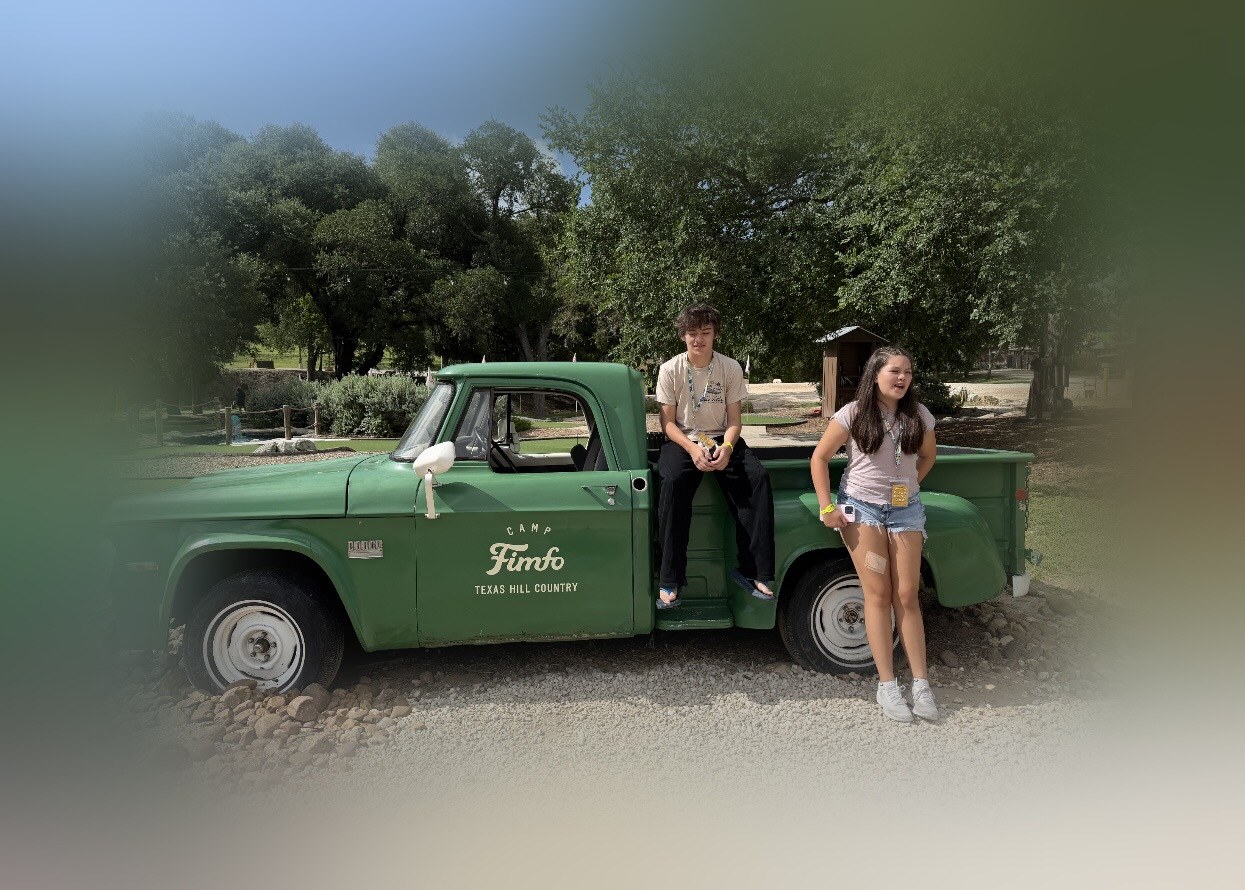
iOS 27 makes AI photo editing feel ordinary. Clean Up removes objects. Extend expands the frame. Spatial Reframing lets you adjust the image afterward. As tools, they make sense. Most people don’t want a perfect historical record every time they take a picture. They want the photo they meant to take.
That’s where I get stuck.
The future problem won’t be whether a photo is real. It will be whether we can still remember what we changed.
Most of those changes won’t feel dramatic. They’ll happen quietly in the Photos app while we’re trying to make a picture look more appealing. Remove the stranger in the background. Extend the messy edge. Reframe the shot so it has a little more sky, a little more room, a little more of what the photo should have captured.
I keep thinking about childhood photos of my kids. Not the staged ones, but the candid little moments: bad lighting, strange angles, Lego on the floor, someone’s backpack in the background. The kind of image you keep because the feeling survived the bad composition.
Those photos already do two jobs. They are evidence, but they are also prompts. I don’t remember the whole day. I remember what the photo has trained me to remember.
Now the photo can be trained back.
That doesn’t make every edited image a lie. Memory doesn’t work like a raw file. We sharpen some details, lose others, make emotional composites, and carry forward a version of events that changes every time we return to it. A real memory is not fixed. Age, grief, nostalgia, guilt, and distance rewrite whatever story we need from it later.
Photos used to resist that a little. The room ended where the frame ended. The distracting object was there because it was there. The awkward negative space or mess on the counter confirmed that the moment existed outside our control.
AI editing softens that resistance.
At first, that feels helpful. It already does. Nobody needs every meaningful photo interrupted by a trash can, a photobomber, or the overhead lighting of modern life. But as these tools get better and more invisible, the question changes. We won’t ask whether a photo has been edited. We’ll ask whether that question matters.
I’m not sure we’ll care.
That’s where the melancholia comes from. Not that people will fake things. People have always faked things. The sad shift is that authenticity may start to feel less useful than emotional accuracy. If the AI version looks more like the memory in your head, the original may start to feel like the flawed copy.
The camera roll stops being an archive and becomes a collaboration between the past and the tools available now.
Maybe every family album has always worked this way. Someone chose what to photograph, print, save, caption, frame, and retell. But iOS 27 moves that revision into the place where memory already lives for most of us.
The bigger change may come when these tools stop feeling like tools. If a photo can be reframed, extended, cleaned, animated, restaged, and eventually generated from a prompt or partial memory, taking the photo may become only one way to begin the memory. Maybe not even the main one.
That’s the part I can’t shake. The camera once gave us proof that something happened. Then it gave us a version of how it felt. Now it may give us a way to keep changing the feeling until the proof becomes secondary.
Of course I’ll use these tools. I’ll remove the distracting thing. I’ll fix the crop. I’ll probably extend the edge of a photo and be annoyed (and always amazed) by how well it works. But I hope I remember what I changed, especially with the pictures of my kids.
Not because the original is sacred. Because the friction matters. The mess matters and the edge of the frame matters.
Sometimes what makes a memory trustworthy is the part you would never have added on purpose.
Have thoughts? [email protected]
All posts →